What You Need to Know About Oil Change Services for Your Car
Ensuring your vehicle runs smoothly is significantly impacted by quality auto repair. From necessary oil changes to essential tire rotations and brake service, possessing a solid grasp of basic vehicle maintenance not only saves you time but also money, and it enhances your vehicle's lifespan. If you're in Langley looking for exceptional auto repair options, you will find numerous trustworthy services at your fingertips.
It's crucial to locate a dependable auto mechanic nearby when facing unplanned repairs. Regular maintenance and inspections can avert more significant mechanical issues in the future. Utilizing reliable auto repair services can greatly extend the life of your vehicle while also providing you with peace of mind at read more.
Frequently asked questions
What is Auto Repair?
Auto repair encompasses a wide range of services aimed at maintaining and restoring vehicles to ensure they are safe to drive. This includes everything from routine maintenance, like oil changes and tire rotations, to more complex repairs involving the engine, transmission, and electrical systems.
How do I choose an Auto Repair provider?
Choosing the right auto repair provider involves evaluating several factors including their track record and customer feedback. Look for establishments that offer a comprehensive range of services and ensure their mechanics are properly certified to handle your specific vehicle type.
How much does Auto Repair cost?
Costs associated with auto repair can vary widely based on several factors, such as the specific service needed, the vehicle's brand and model, and prevailing labor rates. Basic maintenance might cost just a small fee, while substantial repairs involving major components can lead to significantly higher expenses.
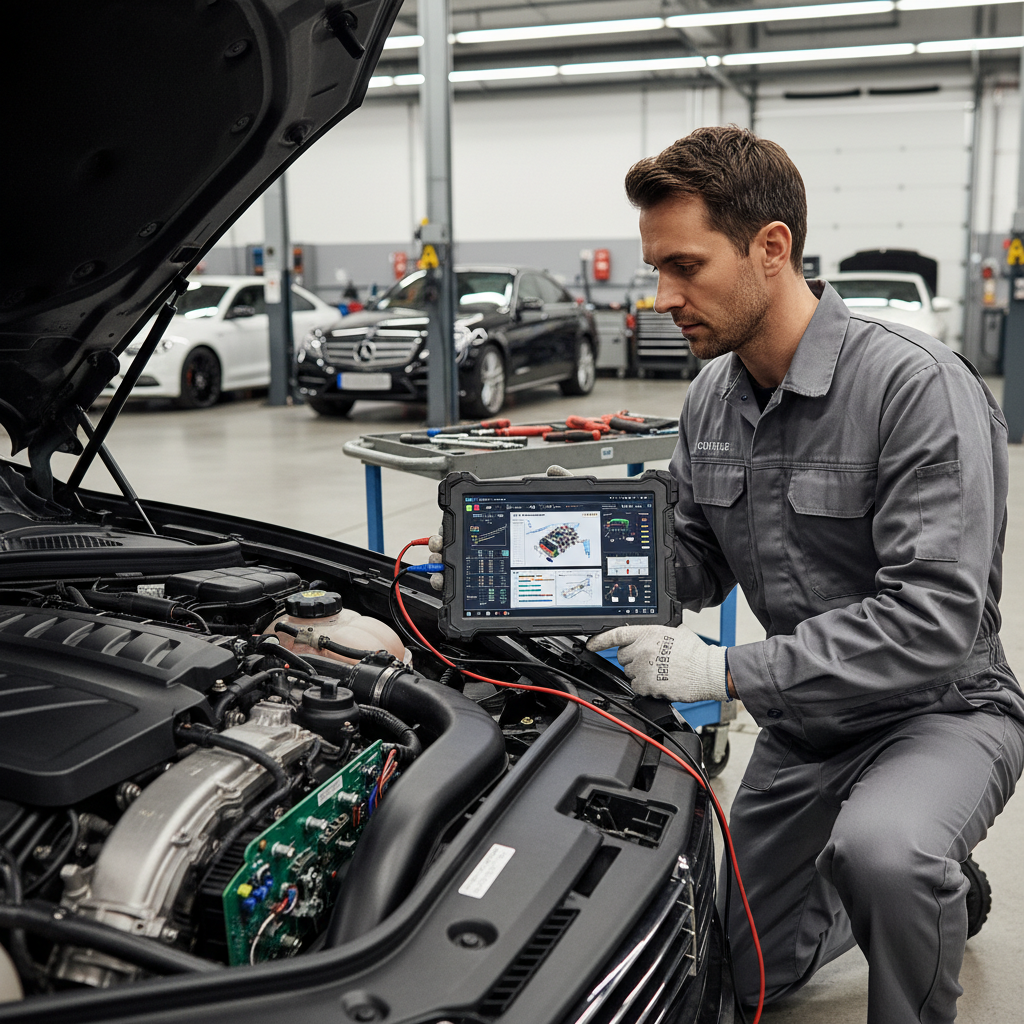 Langley top Auto RepairLangley top Auto Repair overview
Understanding the Basics of Auto Repair
Automotive repair encompasses a wide range of services designed to keep your vehicle in top shape. This includes routine maintenance such as oil changes, brake checks, tire replacements, and more complex tasks like transmission repair or engine overhauls. Each service contributes to overall vehicle performance, safety, and efficiency.
Oil change services represent a key aspect of regular maintenance, as they remove dirt and contaminants to keep the engine running smoothly. Not adhering to a regular auto oil change schedule can lead to severe engine problems over time. It's best practice to consult vehicle manuals for specific recommendations on oil change frequency.
Choosing the Right Auto Repair Shop
Finding the best auto repair shop can be daunting. Start by searching for customer reviews and testimonials about nearby tire shops and auto mechanics. These reviews give insights into other customers' experiences, which can clue you into the quality of service you can expect. It’s also wise to inquire about the qualifications and certifications of the mechanics to ensure that they are well-trained in automotive repair. The more informed you are, the better your choices will be.
Common Auto Repairs and Their Importance
Certain repairs are more common than others and addressing them proactively can prevent larger issues later on. For instance, tire maintenance is crucial for safety. Regularly checking tire pressure, tread depth, and ensuring proper alignment reduces the risk of blowouts or accidents. A reputable mechanic should be able to point out problems related to tires and suggest timely interventions.
Windshield replacement or repair is another critical aspect of car maintenance. A cracked windshield not only obstructs vision but can compromise the vehicle’s structural integrity during an accident. If you notice a crack, opting for a windshield change should not be delayed.
Understanding the Costs of Auto Repair
Having a grasp on the elements that influence auto repair expenses is crucial for effective budgeting. The price for repairs can significantly differ based on several factors, including the kind of service required, the vehicle's make and model, and the local labor costs. For basic services such as an oil change or tire rotation, you might expect to pay anywhere from $30 to several hundred dollars. Conversely, for more significant repairs—such as those involving the transmission—costs can escalate to thousands of dollars.
To ensure you're getting a fair price, it is wise to obtain quotations from multiple auto repair shops. While the lowest price may seem appealing, it's essential to evaluate not just the cost but also the quality of service, any provided warranties, and customer reviews.
For a deeper dive into the spectrum of auto repairs and their associated costs, check out the auto repair Wikipedia page.
Tips for Efficient Auto Maintenance
Regular checking of your oil levels can prevent costly engine repairs. Even small oil leaks can escalate if not caught promptly.
- Change the oil every 3,000 to 5,000 miles, depending on your vehicle and driving conditions.
- Check tire pressure monthly to ensure safety and efficiency.
- Perform regular brake checks to catch wear before it becomes critical.
- Inspect your wipers and replace them if you notice streaks or reduced visibility.
- Consult your owner's manual for any specific maintenance advice related to your vehicle.
To ensure your vehicle remains in peak condition, it's essential to familiarize yourself with the range of auto repair services offered. Each element, from tire care to engine assessments, is crucial for maintaining performance and ensuring safety. By following the suggested guidelines, prioritizing conditions appropriately, and consulting local professionals, you can efficiently handle your vehicle's maintenance requirements.
By taking a proactive stance on auto repair, you not only increase your vehicle's lifespan but also promote a safer driving experience. Dedicating time to routine maintenance is a worthwhile investment for lasting peace of mind while driving.
In assessing auto repair options, it's important to concentrate on evidence of success, transparent reporting, and alignment of methods with your specific situation and deadlines. Be cautious of vague assurances that lack a clear measurement strategy.
Inquire about how progress will be measured, distinguishing between what is standard versus additional services, and how the provider modifies their strategies when performance or engagement encounters obstacles. A written agreement detailing the scope before any payment safeguards the interests of both parties.